%207.svg)
%202.svg)
%201.svg)
%203.svg)
%204.svg)

%206.svg)


%205.svg)


In this case, the projectile was embedded in the T10 thoracic vertebra and was causing persistent back pain, prompting the decision to perform minimally invasive surgical extraction.
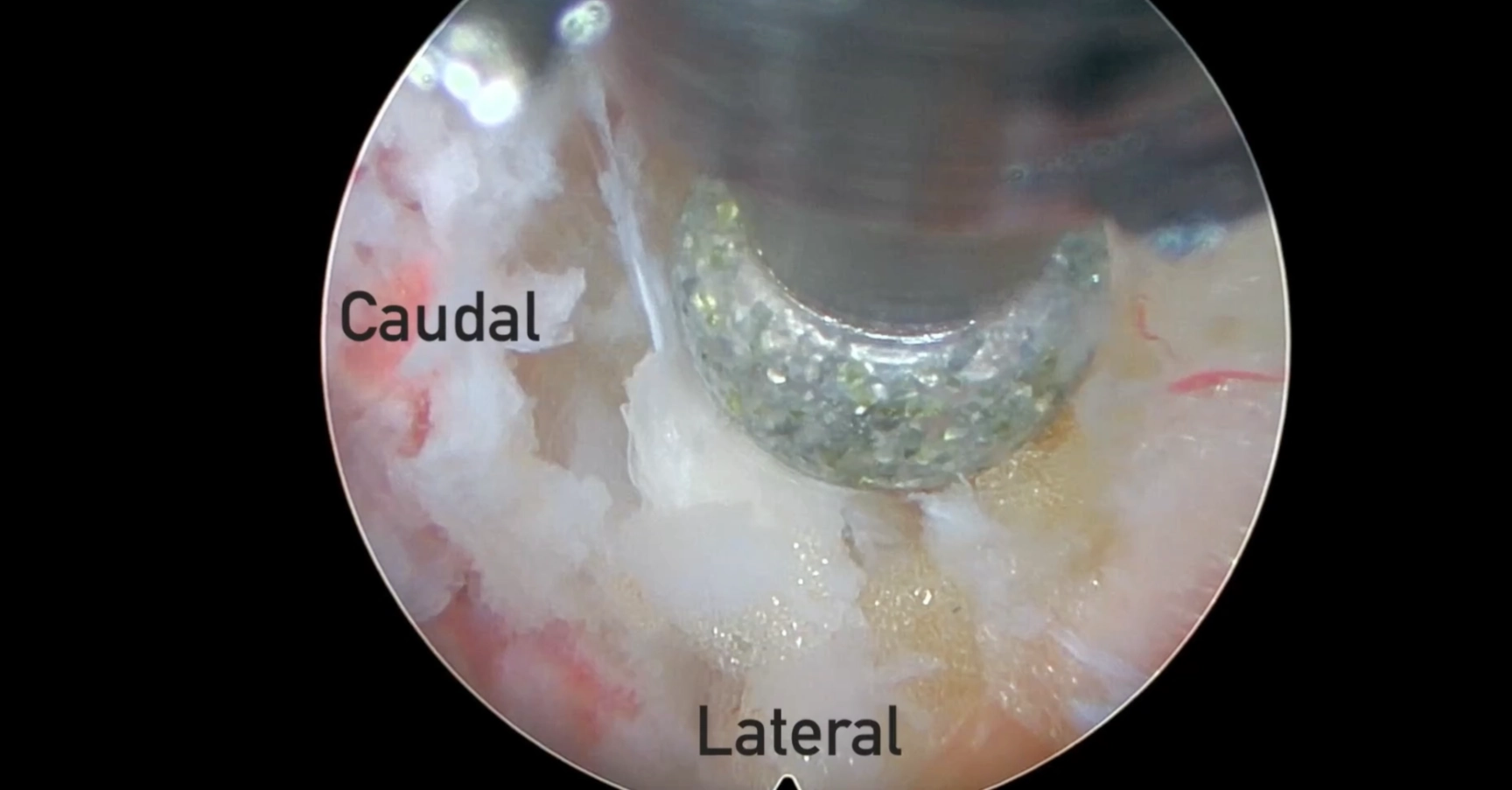
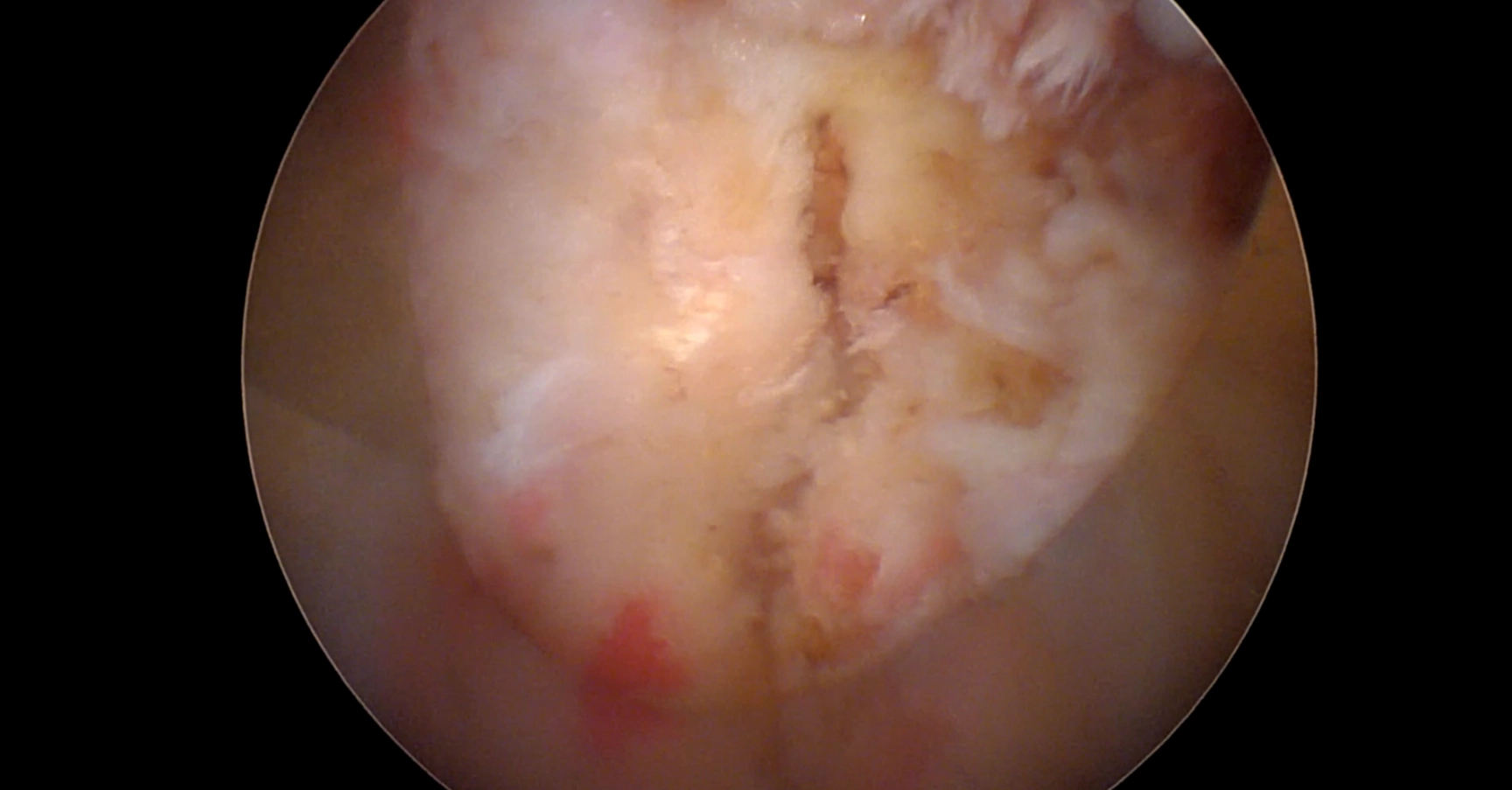
The video below illustrates the different stages of this endoscopic extraction of a hunting pellet from the T10 thoracic vertebra, performed using single-port endoscopic spine surgery.

Endoscopic extraction of a hunting bullet at T10 level
Endoscopic spine surgery: minimally invasive extraction
The procedure was performed using a single-port endoscopic approach, a minimally invasive spine surgery technique that allows precise access to the spine through a skin incision measuring just a few millimeters.
After fluoroscopic localization of the T10 level, the endoscopic approach allowed exposure of the site where the projectile was located. The hunting bullet was identified and then extracted under direct endoscopic control, with maximum respect for the surrounding anatomical structures.
Endoscopic spine surgery offers the following advantages:
• Limited muscle dissection
• Direct visualization of the surgical site
• Reduced post-operative pain
• Rapid functional recovery
In this case, the post-operative course was uneventful, allowing the patient to be discharged on the day of the procedure, with one week of sick leave.
Indications for endoscopic spine surgery
Endoscopic spine surgery is now widely used to treat:
• lumbar or thoracic disc herniation
• spinal canal stenosis
• certain nerve compressions
In rarer situations, this minimally invasive technique can also be used to remove foreign bodies from the spine, as in this case involving the extraction of an intravertebral projectile, while limiting tissue trauma.